

How Metin2 Guild Wars Work — Composition, Strategy & Winning Tactics
Master Metin2 guild wars with this expert guide: guild setup, class roles, guild skills, territory control, and tactics most guilds never use.
What Makes Guild Wars the Heart of Metin2 PvP
Guild wars are where Metin2 gets serious. While solo grinding and boss hunting fill your day-to-day routine, guild wars are where player skill, team coordination, and strategic thinking actually matter. A well-organized guild can dominate entire servers, control the economy, and become the faction everyone respects — or fears.
Most players underestimate how deep the guild system goes. It is not just about having a lot of members. Guild wars reward preparation: the right class balance, properly leveled guild skills, and a leader who actually communicates with their team. Without those three things, even a guild with 30 active players can get destroyed by a coordinated group of 10. Whether you are on a Metin2 private server or playing official, the fundamentals are the same.
This guide covers everything from setting up your guild correctly to advanced war tactics that most guilds skip entirely.
Building Your Guild — Setup, Levels, and Early Priorities
To form a guild in Metin2, you need to be at least level 40 and have enough Yang to cover the creation cost. Once created, the guild starts at level 1 and grows through experience earned by members killing metinstones, completing guild quests, and running guild dungeons.
Guild level directly affects what is available to you. Guild skills unlock at higher levels, your maximum member count increases, and your guild treasury grows. Do not rush recruitment just to fill slots. A guild of 15 active, coordinated players is worth more than 60 randoms who log in twice a week.
Focus early on leveling the guild fast. Assign specific members to contribute Yang and items to the guild treasury. Set clear guild goals from day one — whether that is holding the Dragon Altar or winning regular declared wars — and recruit around that objective rather than accepting everyone who applies.
- Create the guild at level 40+ with sufficient Yang in your inventory
- Assign members to guild quests and dungeon runs for fast guild EXP
- Set clear progression goals and recruit for your strategy, not just raw numbers
- Establish officer roles early to distribute leadership responsibilities
The Ideal Guild Composition for Metin2 Wars
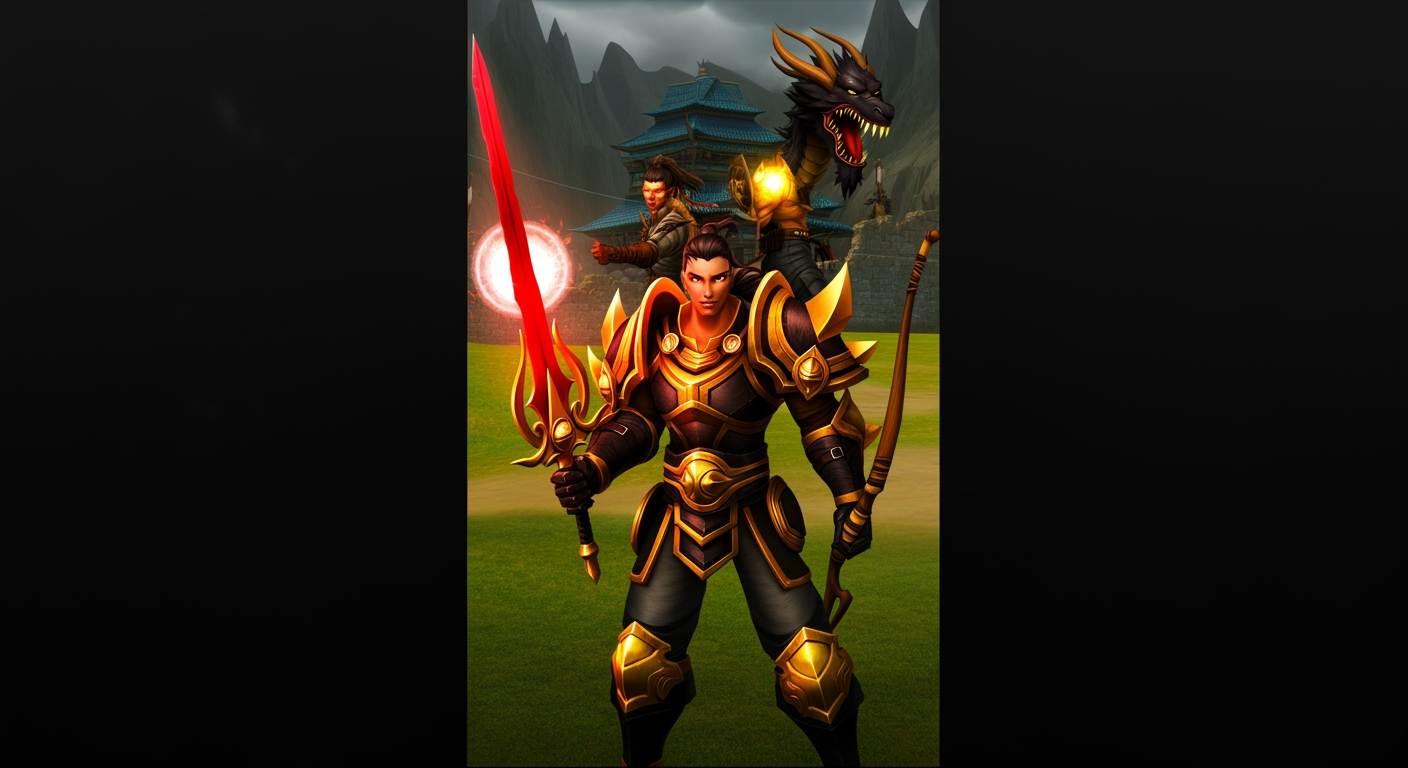
This is where most guilds fail. People recruit whoever is available rather than building a balanced fighting force. For Metin2 guild wars, your roster needs to cover four roles: tanks, damage dealers, support, and disruption.
Body Warriors are your frontline. They absorb punishment with high HP and defense, and their tanking skills make them invaluable at chokepoints during siege wars. Every serious guild needs at least two or three solid Body Warriors anchoring the front. Without them, your squishier damage dealers get deleted immediately.
Weaponry and Black Magic Suras are your burst damage. A coordinated Sura can eliminate key targets — enemy shamans, the opposing guild leader — before the enemy team even reacts. Weaponry Suras hit hard in melee; Black Magic Suras bring reach and debuffs that soften entire groups before a push.
Dragon Shamans are the backbone of any sustained war effort. Their healing keeps Warriors alive during prolonged fights. In longer engagements, the guild with better shaman coverage almost always wins. Never enter a serious war without at least two active Dragon Shamans.
Bow Ninjas provide ranged pressure and burst from unexpected angles. Dagger Ninjas are pure assassination tools — send them after the enemy healer first, every single engagement. Avoid stacking only damage dealers with no support. Guilds that sustain through the first wave of fighting will outlast glass cannon compositions every time.
Guild Skills and Buffs — The System Most Guilds Ignore
Guild skills are one of the most underused systems in Metin2, especially on private servers where players hyper-focus on individual character power. These skills are purchased with guild points and provide passive or active bonuses for all members while active.
Common guild skill effects include increased defense, bonus attack speed, movement speed boosts, and resistance to specific damage types. The exact skill trees depend on your server, but the principle is consistent: collective buffs amplify what every single member can do.
Level your most universally useful guild skills first. Defense and HP bonuses keep your whole team alive longer, which matters far more than a marginal attack boost in organized war scenarios. Once your guild reaches higher levels, more powerful active skills unlock that can swing fights when timed correctly.
Coordinate skill activation with your officers. Popping a major defensive buff right as the enemy begins a push is the difference between holding a position and getting completely wiped. Most guilds either forget their guild skills exist or activate them at random. Make skill rotation part of your war strategy from day one, not an afterthought.
Guild War Types — Declared Wars vs Siege Wars
Metin2 has distinct types of guild conflict, and understanding each one changes how you prepare and how you fight.
Declared Wars are the most common format. Either guild leader initiates the war via the guild menu, and both sides can kill each other freely across the open world for a set duration. These wars favor mobile, aggressive guilds — you are fighting across entire maps, hunting enemies near their farming spots or resurrection points. Relentless pressure is key. Keep enemies stressed and unable to grind efficiently.
Siege Wars are structured server events where multiple guilds compete to capture and hold a castle or key location. These reward defensive planning far more than raw aggression. Body Warriors stack chokepoints, Shamans stay protected behind the front line, and coordinated pushes target the gate or flag at precisely the right moment. Siege wars have defined capture timers, so patience and discipline matter more than chaos.
Know which type of war you are entering before forming up. A declared war team that plays defensively will lose. A siege team that rushes without coordination will crumble. Check the Metin2 server types guide to understand which war formats your chosen server emphasizes most heavily.
Dragon Altar and Territory Domination
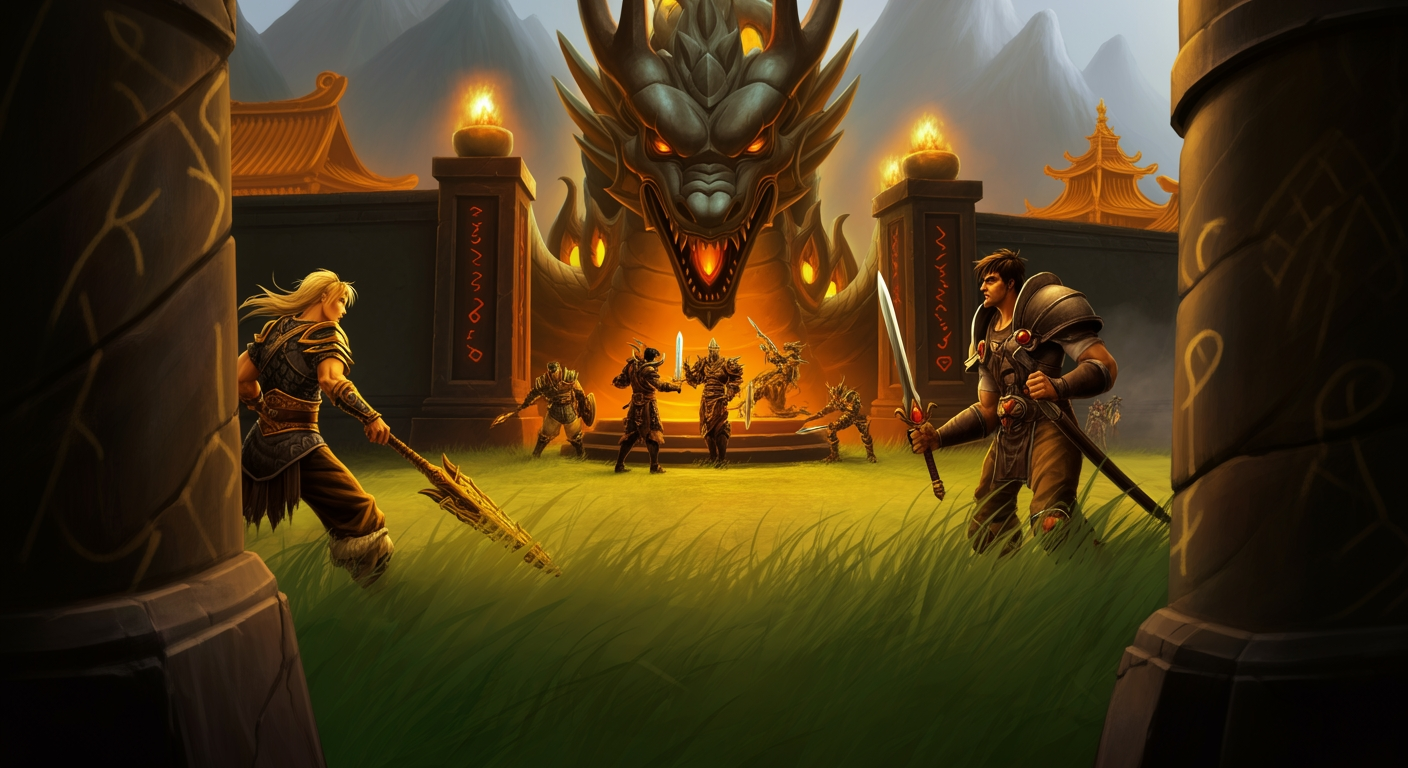
The Dragon Altar is one of the most contested locations on any Metin2 server. Guilds that control it receive significant buffs — typically bonuses to EXP gain, drop rates, or attack power for all members. On competitive servers, Altar control often determines which guild dominates the server economy over time.
Attacking the Altar requires aggressive burst coordination. Send Suras and Ninjas in first to eliminate defenders before they can establish a formation. Warriors should break through to the altar itself while ranged support provides cover fire. Speed and coordination win attacks; slow, piecemeal pushes will fail every time against an entrenched defense.
Defending the Altar is a completely different discipline. Body Warriors at the entrance with Dragon Shamans positioned safely behind them create a sustained defensive wall that is extremely difficult to break. Ninjas positioned at the flanks punish anyone attempting to go around. The critical insight most guilds miss: never spread your defenders thin. Concentrated defense at the chokepoint beats scattered defenders in every scenario.
Holding the Altar long-term means consistent presence. The guild that logs off for the night while holding it will lose it before morning. Assign rotating defense shifts during peak server hours, especially on active top-ranked Metin2 servers where competition for territory is relentless.
Pro Tips Most Players Miss
- Scout before declaring war. Know where the enemy guild farms, what classes they run, and which hours they are most active. Catching them mid-grind with potions on cooldown is a massive advantage that most guilds never deliberately set up.
- Target the shaman first, always. Most guilds know this rule in theory but fail to execute because players instinctively chase obvious threats charging at them. Designate one or two Ninjas specifically as shaman hunters every engagement — do not let them freestyle into random targets.
- Use the guild message system for live signals. A simple coded system — Attack, Fall Back, Focus Target — lets your whole team react faster than voice chat in the chaos of a real fight. Most guilds completely ignore this feature despite it being available on every server.
- Pick your engagements deliberately during declared wars. Exhausting potions in meaningless skirmishes is the single most common mistake. Force enemies to waste resources chasing you before committing to a major push on a key location or player.
- Verify your private server's custom guild mechanics before applying these strategies. Many Metin2 private servers modify Dragon Altar rules, siege timers, or guild skill trees significantly. What dominates on one server may underperform entirely on another — always test your approach in low-stakes situations first.
Frequently Asked Questions
What level do you need to create a guild in Metin2?
How many members can a Metin2 guild have?
What is the Dragon Altar in Metin2 and why does it matter?
What is the best guild composition for Metin2 wars?
How do guild skills work in Metin2?
Related Pages
Find Your Perfect Server
Browse the top-ranked Metin2 private servers on METIN2.GG or submit your own server to the rankings.