

Metin2 Server Ranking Factors: How to Grow Without Fake Votes
Learn how Metin2 server rankings work, what improves visibility, and how owners can earn real votes without fake traffic or pay-to-win traps.
Why server ranking is not just a vote counter
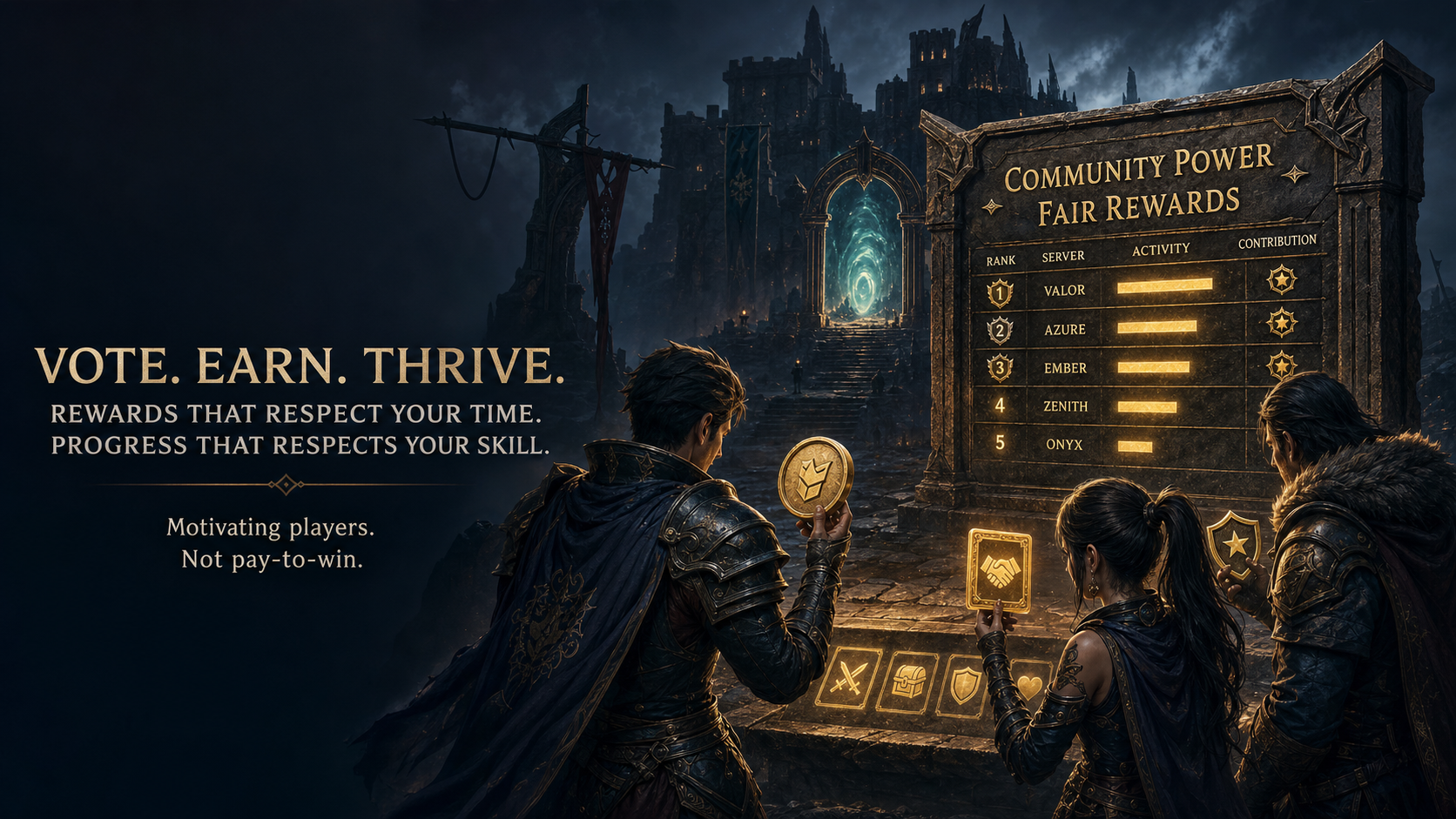
For a Metin2 private server owner, ranking visibility can decide whether a launch gets real players or disappears after the first week. But treating a toplist as a simple vote counter is a mistake. A strong listing converts attention into players only when the server looks trustworthy, explains its gameplay clearly, and gives current players a fair reason to return and vote.
On METIN2.GG's main rankings, votes are the clearest community signal, but players still make their own decision after scanning the server name, type, rates, language, banner, description, age, and links. A server with a weaker presentation can waste good votes because visitors do not understand what makes it worth joining. A server with a clean presentation, fair vote rewards, and steady community activity can turn the same exposure into more registrations, Discord joins, and repeat voters.
The ranking signals players actually notice
Players rarely read every detail before clicking. They look for quick trust signals first: enough votes to prove activity, a server type that matches their playstyle, a recognizable language community, and rates that do not feel misleading. That means your listing has to answer the first questions fast: is this Oldschool, Newschool, PvP, PvM, or a hybrid? Is it new, long-term, seasonal, hard, easy, low rate, or high rate?
The second layer is credibility. A polished banner helps, but vague marketing copy hurts. Phrases like "best systems" or "unique gameplay" mean very little unless they are tied to concrete features: level cap, dungeon loop, anti-cheat policy, event schedule, economy style, and whether the item shop affects progression. If your server is designed around fair competition, link that promise to specific rules and avoid language that sounds like every other launch ad.
The third layer is freshness. Players often compare ranked pages with new server listings and opening pages before committing. If your server just launched or is running a seasonal reset, make the timeline clear on your own site and community channels so visitors understand whether they are joining early, mid-season, or a mature economy.
How to earn more votes without manipulation
The safest vote growth comes from making voting part of the normal player loop, not from pressure or fake accounts. A healthy system reminds players at sensible moments, explains the reward clearly, and keeps the reward useful without becoming mandatory. Good reminders include a Discord announcement, an in-game NPC, a website panel, or a launcher message that points to the server's METIN2.GG page. Bad reminders interrupt gameplay constantly or imply that players are punished if they do not vote.
Fake votes are a short-term tactic with long-term damage. They distort the signal that players rely on, create suspicious spikes, and can make a server look less trustworthy if the public activity does not match the ranking position. Owners should focus instead on vote consistency: small daily participation from real players is more believable and more useful than a sudden burst that disappears after launch weekend.
The practical goal is to reduce friction. Put the voting link where players already are, make account linking simple, and explain the cooldown honestly. If you use the METIN2.GG vote rewards API, make sure players understand when rewards arrive, what happens if verification fails, and who to contact if something does not sync. Clear reward delivery reduces support tickets and builds trust around the vote loop.
Designing fair vote rewards that do not feel pay-to-win
Vote rewards should motivate participation without deciding who wins PvP, controls the economy, or clears endgame first. The best rewards are useful, limited, and predictable: consumables, cosmetics, small convenience items, event currency caps, temporary boosts with strict limits, or account-bound items that cannot be dumped into the market. Avoid direct endgame gear, upgrade shortcuts, rare tradeable items, or anything that makes non-voters feel permanently behind.
A fair reward structure usually has three controls. First, cap the daily or weekly value so voting remains helpful but not compulsory. Second, keep important rewards account-bound when market abuse is a risk. Third, publish the reward list openly so players can judge the economy before investing time. This matters especially for players looking for no-pay-to-win Metin2 servers, because opaque rewards can look like a hidden item shop even when the intent is harmless.
For server owners, the cleanest test is simple: would a new player still believe the server is fair after reading the vote reward table? If the answer is no, reduce the power level. Vote rewards should support retention and discovery, not replace good progression design.
Improving your listing before asking for more traffic
Before pushing your community to vote harder, audit the listing itself. A strong METIN2.GG listing should have a clear server name, accurate type, realistic rates, supported languages, working website and Discord links, a readable banner, and a description that says what the server is actually built for. If your server is a low-rate classic project, say that. If it is a fast PvP server with instant action, say that. The wrong expectation creates quick bounces and negative reviews.
Descriptions should be written for humans, not search engines. Use one short paragraph to define the server and another to explain what makes it different. Mention concrete systems only if they matter: dungeon progression, guild wars, battle pass policy, seasonal resets, anti-cheat, wiki, market controls, or staff support. Do not paste a full changelog into the listing. Link to your own website for long documentation and keep the METIN2.GG page focused on conversion.
Also check internal fit. If the server belongs in a category such as mid rate, high rate, or Middleschool, make sure the public details match that positioning. Players use category pages to compare similar options, so inaccurate categorization can send the wrong audience and weaken the listing's performance.
Launch timing, retention, and review quality
Ranking growth is easiest when launch timing and retention work together. A server opening soon should build demand before the doors open, then convert that demand into first-week votes, reviews, and Discord activity. Use servers opening this week and related freshness pages as inspiration for how players evaluate upcoming launches: they want dates, rates, language, gameplay style, and evidence that the team can deliver.
After launch, retention becomes the real ranking engine. If players leave after two days, vote reminders will not save the server. Owners should watch early friction: confusing download steps, weak beginner guidance, unstable login servers, unclear starter gear, missing wiki pages, or reward bugs. Fixing those issues often produces more votes than any promotion campaign because satisfied players naturally support the server they are still playing.
Reviews also matter as decision support. Do not script fake praise. Ask real players for specific, honest feedback after they have played enough to judge the server. A balanced review that mentions strengths and weaknesses is usually more believable than a wall of perfect ratings. Over time, specific player feedback helps visitors understand who the server is for.
A practical ranking checklist for owners
Use this checklist before a launch campaign, relaunch, or vote drive:
- Listing accuracy: server type, rates, language, links, banner, and description are current.
- Player promise: the listing explains the real gameplay loop in plain language.
- Vote flow: players can find the voting link from Discord, website, launcher, or in-game NPC.
- Reward balance: vote rewards help players without selling power or damaging the economy.
- Trust support: website, Discord, rules, anti-cheat stance, and refund/item shop policies are easy to find.
- Freshness plan: launch date, events, resets, or major updates are communicated before traffic arrives.
- Retention fixes: onboarding, download, starter gear, and reward delivery are tested before asking for votes.
If the checklist exposes gaps, fix them before sending traffic. Ranking attention is valuable only when the server is ready to convert that attention into loyal players.
What owners should do next
If your server is not listed yet, start with the server submission page and provide accurate details. If it is already listed, compare it against competitors in the same category and rewrite anything vague. Then review your vote reward flow against the fairness checklist above. The goal is not to game the ranking. The goal is to make it easy for real players to recognize a serious server and support it consistently.
For players, the same advice works in reverse. When comparing servers, do not rely on vote count alone. Look at the listing quality, reward policy, public communication, and whether the gameplay promise matches what you want. The best Metin2 server is not always the loudest launch. It is the one whose community signals, reward design, and long-term operation all point in the same direction.
Frequently Asked Questions
What is the most important ranking factor for a Metin2 server?
Can vote rewards help a Metin2 server rank higher?
Are fake votes worth using for a new Metin2 server?
What should a Metin2 server listing include?
How can a server owner improve ranking without being pay-to-win?
Related Pages
Find Your Perfect Server
Browse the top-ranked Metin2 private servers on METIN2.GG or submit your own server to the rankings.