

Metin2 Item Upgrade & Refinement Guide: Reach +9, Master Dragon Stones, and Stop Losing Gear
The complete Metin2 item upgrade guide — hit +9 safely, fill Dragon Stone slots correctly, re-roll Taoist bonuses like a pro, and never lose gear again.
What Most Metin2 Players Get Wrong About Gear
Most Metin2 players reach +9 eventually. The expensive ones get there by accident — burning through Blessing Scrolls below +7, upgrading gear they'll replace in 20 levels, and leaving Dragon Stone slots empty when those slots could outperform a full upgrade tier. The smart approach isn't grinding more Yang; it's understanding exactly when, what, and how to upgrade.
Metin2's progression system has three distinct layers: the blacksmith upgrade level (+0 to +9), Dragon Stone slots and the bonuses they carry, and the Taoist bonus enchanting system. Most guides cover the first layer and ignore the other two. That's a mistake, because all three interact — and optimizing only one while ignoring the others is exactly how players end up with expensive gear that underperforms.
This guide covers all three systems in full, including the economic decisions that determine whether upgrading yourself or buying from other players is the smarter play on any given server.
How the Blacksmith Upgrade System Works
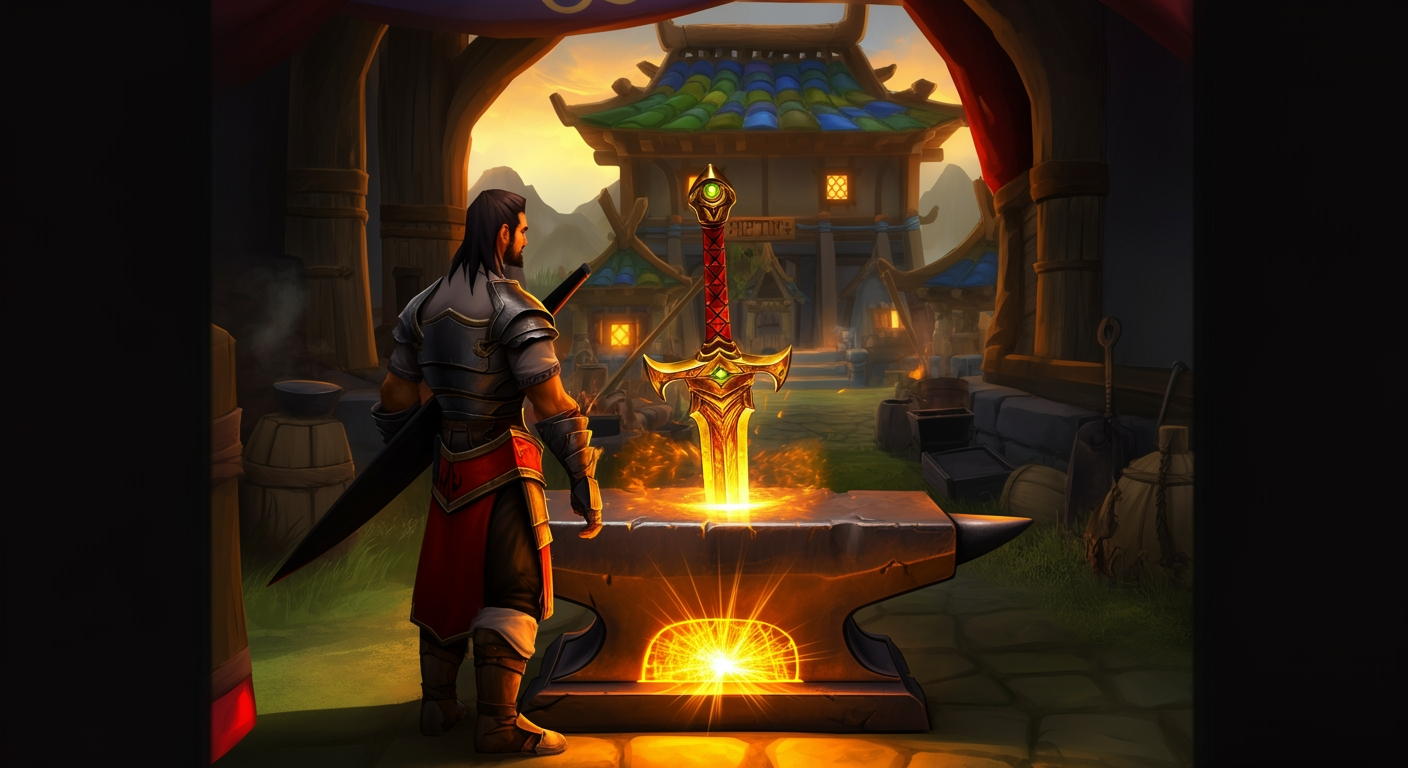
The Blacksmith NPC is where all enhancement happens. You bring your weapon or armor, combine it with the appropriate Upgrade Stone — sourced from Metin Stone drops, boss loot, or crafting — and attempt to push the item's level from its current value to the next. Enhancement runs from +0 to +9, and every level adds meaningful stat increases: attack power for weapons, defense values for armor, resistance for accessories.
The risk curve is what most new players underestimate. Here is the typical success rate structure on standard server configurations:
- +0 to +4: High success rate (80–95%) — failure is rare and drops the level by one at most
- +5 to +6: Moderate risk (55–70%) — failure drops the item by one level, no destruction
- +7: Roughly 40–50% success — this is the first tier where failure destroys the item entirely
- +8: Approximately 25–35% — you are more likely to fail than succeed on any single attempt
- +9: Around 20–30% — calculated risk with significant Yang investment required
From +7 onward, a failed attempt without protection does not just lower the enhancement — it permanently destroys the item. This is the threshold most players misjudge, and where fortunes disappear. Private server rates vary significantly across the Metin2 private server landscape, so always verify your specific server's upgrade mechanics before committing expensive gear to an attempt.
Blessing Scrolls and Protection — Use Them at the Right Time
A Blessing Scroll does not increase your chance of success — it prevents item destruction on failure. That distinction is critical. With a scroll active, a failed +7 to +8 attempt drops your item to +6 instead of erasing it from existence. You lose progress, not the item itself.
The most common and costly mistake is burning Blessing Scrolls starting from +5. At those levels, item destruction is not possible on most server configurations, so the scroll provides absolutely zero benefit. Reserve protection items for +7 and above — that is the only range where the cost is justified.
Some private servers also offer temporary rate-booster items: event-limited anvils, cash shop consumables, or reward chest contents that inflate success percentages for a session. The optimal play is combining a rate booster with a Blessing Scroll on +8 or +9 attempts. The combined resource cost is higher, but it dramatically reduces your expected Yang-per-successful-upgrade when working on endgame gear.
One thing most guides never mention: plan for variance, not averages. At 30% success on a +8 attempt, the mathematical average is 3.3 tries — but realistic worst-case runs hit 6 to 8 failed attempts before a success. Set aside Yang reserves for a bad run, or you will find yourself resource-depleted mid-session with a half-finished piece of gear and no path forward.
Dragon Stone Slots — The Hidden Layer of Power
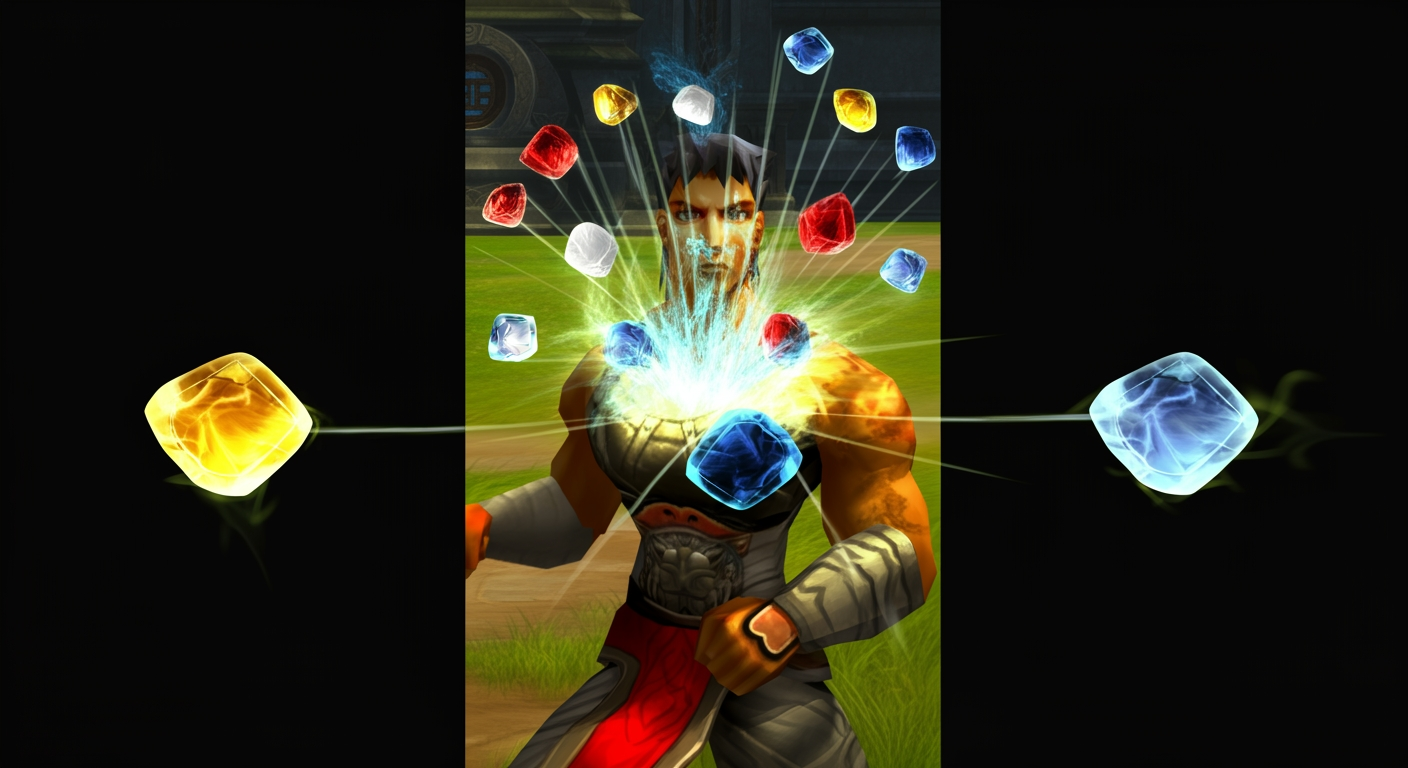
Dragon Stones are one of the most underused progression systems in Metin2, particularly among players newer to metin2 private servers. Every piece of equipment can hold up to four Dragon Stone slots depending on the item's tier and origin. Filling those slots correctly is often worth the equivalent of two or three upgrade levels in raw combat effectiveness.
Slot color determines the stat category the stone can provide:
- Red slots: Offensive power — attack value, skill damage amplification, critical rate, piercing
- Yellow slots: Speed-based — attack speed, movement speed, evasion chance
- Blue slots: Magical durability — magic resistance, spell defense, HP increase
- White slots: General bonuses — HP pool, physical defense, HP regeneration
Matching stone type to class and role is where the real gains come from. A Body Warrior building for PvP wants red-slot weapons loaded with attack value and critical enhancement. A Dragon Shaman doing Razador or Nemere runs benefits far more from blue-slot armor packed with magic resistance than from extra raw defense.
Dragon Stone fragments drop consistently from Metin Stones across Yongan, Desert, Grotto, and Nephrite Bay, as well as from named bosses. Crafting at the Dragon Alchemy NPC is reliable but slow. On active servers, trading for pre-crafted stones is usually faster and more Yang-efficient than grinding fragments from scratch.
If you need to swap a stone, use a Dragon Stone Extraction Hammer — the item name varies by server fork. The stone is recovered to your inventory, but verify whether your server resets the slot after extraction. Behavior differs across private server builds, and losing a four-slot item's slot count on a misinformed extraction is an expensive lesson.
Taoist Bonus Enchanting — The Stat Layer Most Players Sleep On
The Taoist NPC adds a third and entirely separate stat layer to your equipment, independent of both the upgrade level and Dragon Stone configuration. It works like an enchanting system: spend Yang — and sometimes rare crafting materials — to apply a bonus stat line directly to the item. Each item supports 3 to 5 bonus lines depending on tier, and these bonuses stack fully with everything else on the item.
The complication is randomization. You might spend significant Yang to enchant your helmet and receive HP regeneration when your build requires critical hit rate. If the result is wrong, you re-apply — but costs increase with each attempt and the previous bonus line is replaced, not added to. This makes Taoist enchanting a long-term investment that rewards patience and a clear idea of what you actually need.
For PvP-focused builds, the highest-priority bonuses by class are:
- Body Warrior: Strong against half-human, critical hit chance, attack speed, block rate
- Dagger Ninja: Critical hit rate, poison resistance, attack speed, dodge chance
- Dragon Shaman: Skill damage amplification, magic attack power, max HP
- Blade Sura: Attack value, strong against monsters, critical rate, max HP
The right Taoist bonuses on your weapon and helmet alone can outperform a full upgrade tier in practical PvP and boss content. Do not accept wrong bonus lines on key items. Materials for enchanting are farmable through consistent Yang grinding — the Metin2 gold farming guide covers the most efficient Yang routes to fund your re-roll budget without burning out.
Which Items Are Actually Worth Upgrading?
This is where most mid-game players lose the most resources. The rule is simple but routinely ignored: only upgrade Best in Slot items — gear you will use through the next significant phase of your progression. Upgrading a weapon you will replace in 20 levels is Yang thrown into nothing.
Priority order for upgrade investment:
- Main weapon — always first. Weapon damage scales your DPS, skill output, and PvP performance. A +9 weapon is the single highest-impact upgrade in the game by a wide margin.
- Helmet — carries strong bonus slot potential, high defensive value, and often the most impactful Taoist bonus lines for PvP builds.
- Body armor — worth pushing if you are using genuine endgame pieces like Dragon God Armor or Phoenix Equipment. Do not upgrade mid-tier replaceable armor.
- Bracelet and earrings at endgame — these hold Taoist bonus lines that matter significantly in high-level PvP and late-game boss content like the Hydra dungeon.
Items that rarely justify heavy upgrade investment during mid-game progression: shoes (the stat gain per level is marginal), necklaces outside of endgame PvP min-maxing, and any quest reward gear with an obvious near-term replacement.
On high-rate metin2 private servers, armor upgrade bonuses are sometimes dramatically scaled up from official rates. If you are playing on a heavily modified server, test the actual stat deltas yourself or ask experienced community members before assuming the standard priority order holds. Some servers make armor upgrades worth far more than the official client suggests.
The Economics: Upgrade It Yourself or Buy Pre-Made?
Here is the calculation most players never run — and it is the difference between efficient progression and watching your Yang reserves evaporate for nothing.
At +8 with a 30% success rate, factor in the cost of Upgrade Stones, Blessing Scrolls, and material loss from failed attempts: you are realistically spending 200,000 to 400,000 Yang per successful upgrade level in that range. A complete +8 to +9 push on a high-tier weapon can cost 600,000 to 1,200,000 Yang total, independent of the item's base value.
Meanwhile, players who get lucky on their first or second +9 attempt sometimes list gear at prices that reflect their good fortune, not the true expected cost. This creates systematic buying opportunities in player markets.
Before committing to upgrading any piece of gear yourself, run this check: look at the player trade board. If a +8 version of your target item is available for less than three to four times the base item value plus your estimated consumable budget, buying is almost always the smarter move. You preserve your Blessing Scrolls and Upgrade Stones for the final push — or for upgrading a different item entirely.
The best metin2 servers for this kind of market play have active, healthy player economies with real supply and demand dynamics. Finding the right server matters as much as knowing how to upgrade. You can browse metin2 private servers by player count, features, and server type to identify communities where trading and upgrade economics are genuinely viable rather than dead markets.
Pro Tips Most Players Miss
These are not the basic upgrade tips every guide covers. These are the overlooked mechanics, hidden inefficiencies, and edge cases that separate players who progress efficiently from those who spend triple the Yang to get the same result.
- Dragon Stone slot count matters more than upgrade level when evaluating gear. An item with four DS slots at +7 is frequently worth more than the same base item with two slots at +9. Always check slot count when buying or selling — it is a hidden multiplier that most casual players overlook entirely.
- Wrong Taoist bonuses hurt more than a low upgrade level. A weapon enchanted with HP regeneration and movement speed when your build needs critical rate and attack speed can cost you 20 to 30 percent effective performance. Re-roll aggressively on weapon and helmet bonus lines before spending on upgrade levels.
- Private server upgrade rates are custom — never assume they match official. Some servers run two to three times the official success rates; others are deliberately more punishing. The difference between 40% and 60% success at +7 changes the entire economic calculation for Blessing Scroll use. Always verify in your server's Discord or changelog before committing protected attempts.
- Enchant Taoist bonuses before pushing upgrade levels high. Taoist material costs do not scale with item enhancement level, but a failed upgrade destroys all bonuses along with the item. Lock in strong Taoist lines early, then push the upgrade level. This order prevents the heartbreak of rolling perfect bonuses on a +6 item only to lose it at +7.
- For mid-game Dragon Stone grinding, prioritize Yongan and Desert map Metin Stones. These two maps offer the most consistent DS fragment drop density per Yang-and-time invested for players in the 50–75 level range. Mount Sohan is worth adding to the rotation at higher levels when the mobs stop being a threat.
Frequently Asked Questions
What happens when a +7 or higher upgrade attempt fails in Metin2?
How many Dragon Stone slots can a piece of equipment have in Metin2?
Can Dragon Stones be removed from gear without losing them permanently?
Is it better to upgrade equipment yourself or buy pre-upgraded gear from other players?
What are the best Taoist enchant bonuses for PvP in Metin2?
Do metin2 private servers have different upgrade success rates than the official server?
Related Pages
Find Your Perfect Server
Browse the top-ranked Metin2 private servers on METIN2.GG or submit your own server to the rankings.