

No Pay-to-Win Metin2 Private Servers in 2026: How to Spot P2W Fast
Learn what "no pay-to-win" really means, the most common P2W red flags, and a fast checklist to choose fair Metin2 private servers in 2026.
What "no pay-to-win" should mean (and what it often means in practice)
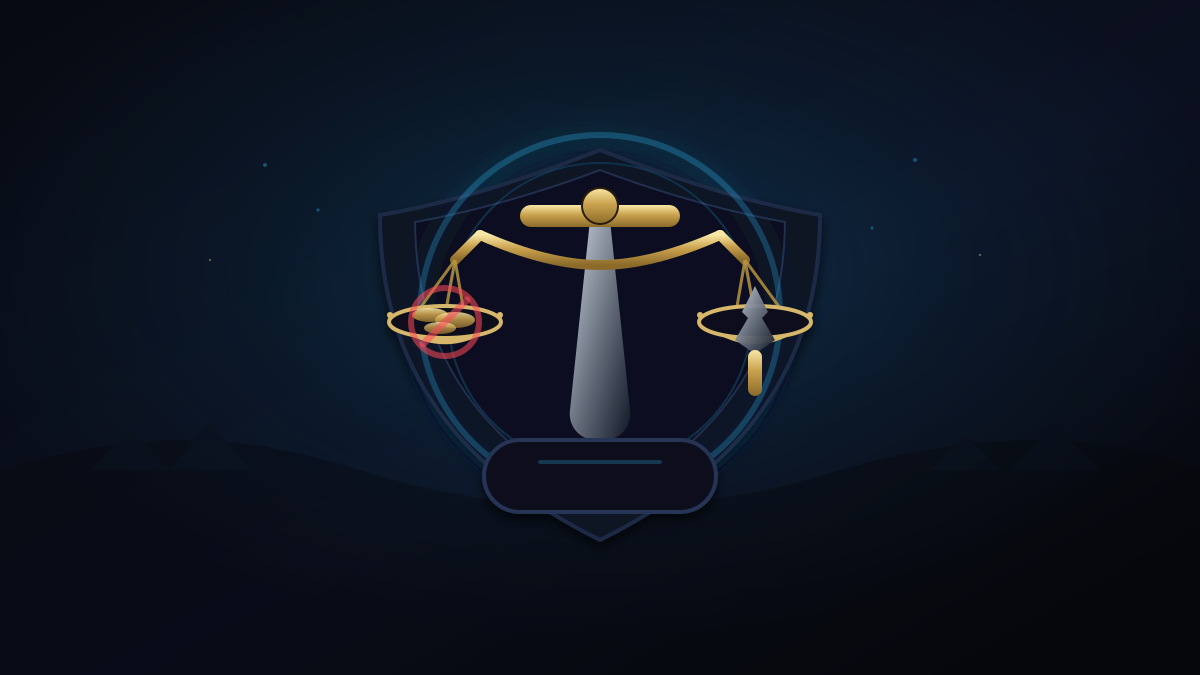
"No pay-to-win" (no P2W) is one of the most abused labels in the Metin2 private server scene. In a fair server, your time, skill, and game knowledge should beat your wallet. In a P2W server, spending in the item shop creates permanent, repeatable advantages: faster progression, stronger PvP stats, or exclusive systems that normal players cannot realistically access.
This guide gives you a practical checklist to evaluate servers quickly, without relying on hype. If you want to browse servers that claim (or are tagged as) fair-play friendly, start with No Pay-to-Win Metin2 servers, then validate with the red flags below and with our ranking transparency page (How we rank).
Important nuance: many good servers still need revenue. The question is whether monetization stays in the realm of cosmetics and convenience, or crosses the line into direct power.
Pay-for-convenience vs pay-for-power: the line you should not ignore
Most stable projects monetize something. That is not automatically bad. The key is whether money buys repeatable combat power or dominant progression speed. Here is a simple way to separate acceptable monetization from P2W behavior:
- Usually OK: costumes without stats, name changes, mounts with cosmetic-only effects, extra inventory pages (within reason), teleport / warp items that do not skip mandatory power gates, premium time that improves comfort but not damage.
- Often P2W: permanent damage/defense bonuses, boss-drop multipliers, guaranteed enchant/upgrade success, exclusive PvP buffs, cash-only alchemy / bonuses, direct purchase of endgame gear, or shop items that bypass the server’s economy.
In Metin2 specifically, watch systems that amplify power non-linearly: bonus switching, adders, alchemy-like progression, pet systems, talismans, rune systems, and any mechanic where the shop sells rerolls, protection scrolls, or success boosts.
If a server advertises "no P2W" but sells power through bundles, "starter packs", or "VIP levels", treat that as a yellow flag and continue with the checklist.
The fast checklist: 12 P2W red flags you can verify in 10 minutes
You do not need a 30-day trial to detect most P2W patterns. Use this checklist before you commit your time. The more items you tick, the higher the risk that the server becomes wallet-driven after the honeymoon phase.
- Shop sells stats: permanent HP/defense/attack bonuses, bonus items with real combat impact.
- Shop sells upgrade certainty: protection scrolls, chance boosters, or "guaranteed +9" paths.
- Shop sells drop/EXP multipliers: especially if the server’s core progression assumes them.
- Cash-only progression systems: pets/talismans/bonuses that are realistically unobtainable in-game.
- Gacha/lootboxes for power: randomized rewards that include endgame items or best-in-slot bonuses.
- Time-limited power events: "top up this weekend for exclusive stats" creates irreversible advantage.
- Unclear currency loops: multiple currencies where only one can be purchased and it gates upgrades.
- Economy distortion: the shop injects key materials that should be farmed, collapsing market balance.
- PvP imbalance language: "PvP is for donators" jokes or acceptance in Discord.
- No public changelog: monetization changes can be sneaked in after launch.
- Short-lived server history: serial re-launches where the shop gets more aggressive each season.
- Staff avoids direct answers: "it depends" when asked what the shop sells for endgame.
To cross-check the "history" part quickly, compare new launches with top voted servers. A project that has stable engagement over time is usually safer than a hype spike that disappears.
How to validate a server’s fairness before you invest (Discord + in-game tests)
After the fast checklist, do two small validations: one social, one gameplay. You want to detect whether a server’s community accepts P2W as normal, and whether progression is engineered to be frustrating without spending.
Discord questions that reveal a lot:
- "Can I reach endgame without spending money? Roughly how long?"
- "What are the strongest item-shop items for PvP?"
- "Are upgrade protections obtainable in-game, and at what rate?"
- "Do donors get exclusive dungeons, bosses, or stats?"
In-game tests (15–30 minutes):
- Look at the item shop categories and scan for stats, boosts, upgrade certainty, and rerolls.
- Compare the early-game path with free rewards. If basic comfort is intentionally painful, monetization pressure is coming.
- Check the market: are core materials available from gameplay, or only injected through shop bundles?
If you are joining around launch time, also check servers opening today and servers opening this week to compare competing launches. Fair projects tend to communicate monetization clearly before day 1.
How to use METIN2.GG to shortlist no-P2W-friendly servers (without trusting marketing)
Toplists are useful when you treat them as discovery + validation, not as a promise that #1 is "best for everyone." Here is a practical workflow on METIN2.GG:
- Start with the No P2W tag and open a few candidate server pages.
- Cross-check the server type you actually want: PvP, PvM, Oldschool, Newschool, or Middleschool.
- Use voting data as a stability signal. A server with consistent votes over time often indicates a returning player base (not just a one-week launch surge).
- Read descriptions critically: a quality server explains rates, progression, and monetization philosophy clearly. Vague descriptions can hide aggressive shops.
If you prefer to browse broadly first, use Best Metin2 private servers as a starting hub and narrow down from there.
If you run a server: how to prove you’re not pay-to-win (and earn trust)
Server owners often underestimate how skeptical players are in 2026. "No P2W" is not a slogan; it is a set of design choices you can document and defend.
- Publish a shop policy: list categories, state what never appears (stats, upgrade certainty, drop multipliers).
- Explain progression gates: show that key systems are achievable via gameplay and are not cash-locked.
- Keep monetization changes transparent: a public changelog builds long-term trust.
- Design for fair PvP: if you sell power, competitive players leave. If you sell cosmetics, they stay.
If you want your project discovered, submit it to METIN2.GG via Submit your server. If you’re curious how visibility works, read how we rank servers. The long-term win is a server that retains players for months, not a shop that extracts in week one.
Conclusion: choose fairness first, then choose your preferred style. A truly no-P2W server makes your character feel earned, and that is still what keeps Metin2 fun.
Frequently Asked Questions
What is considered pay-to-win on a Metin2 private server?
Are all VIP systems pay-to-win?
How can I check if a server becomes P2W after launch?
Do no-P2W servers exist, or is it just marketing?
What’s the fastest way to shortlist fair servers on METIN2.GG?
Related Pages
Find Your Perfect Server
Browse the top-ranked Metin2 private servers on METIN2.GG or submit your own server to the rankings.